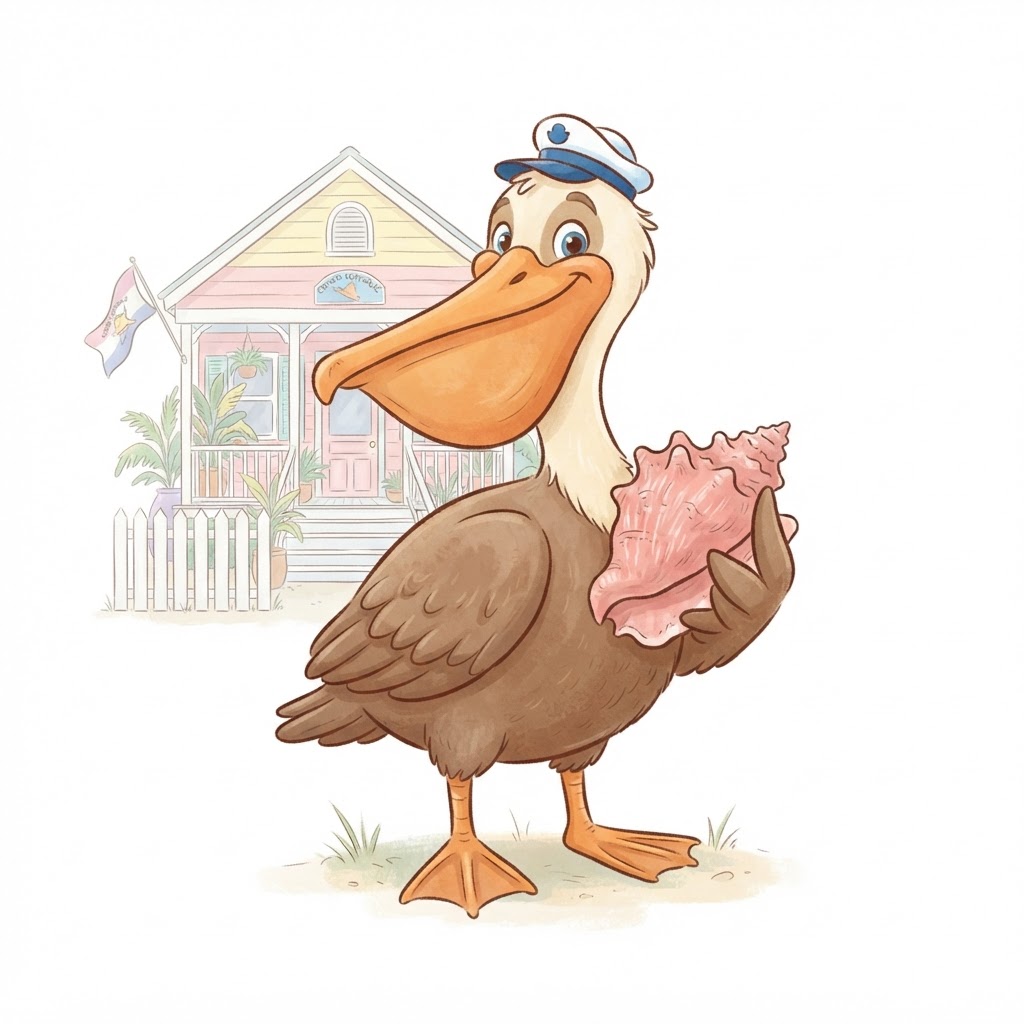
"Key West is the southernmost city in the continental US — closer to Havana than to Miami. For most of its history, it was cut off from the mainland, reachable only by boat. That isolation created a culture all its own — a blend of Bahamian, Cuban, American, and maritime traditions. The locals even call themselves 'Conchs,' after the sea snail that stubbornly clings to its shell."
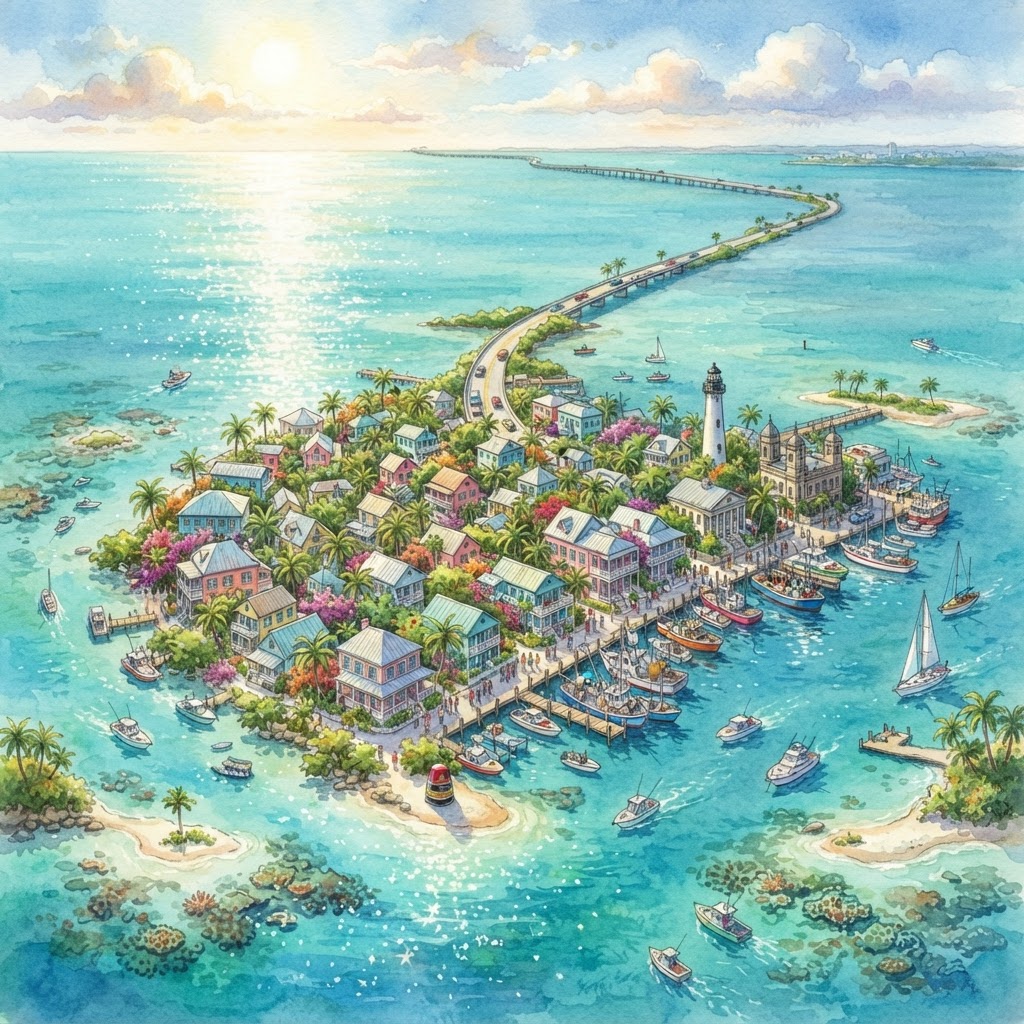
Key West — The End of the Road
Key West is a 4-mile-long island at the end of the Florida Keys, about 90 miles from Cuba and 150 miles from Miami. For most of its history it was reachable only by boat — the Overseas Highway connecting it to the mainland wasn't completed until 1938. This isolation created a unique culture. The original settlers were Bahamian 'Conchs' (so called because they harvested conch and, like the shellfish, clung stubbornly to their home) who arrived in the early 1800s. They were joined by Cuban fishermen, American wreckers, Navy personnel, and a diverse maritime population. Key West has always felt more Caribbean than American — hotter, slower, more tolerant, more colorful. The island was incorporated as a city in 1828 and briefly was the largest and wealthiest city in Florida. Today, with about 25,000 residents, Key West is a tourist destination famous for its pastel conch houses, roosters roaming the streets, sunset celebrations at Mallory Square, and a fiercely independent local identity.