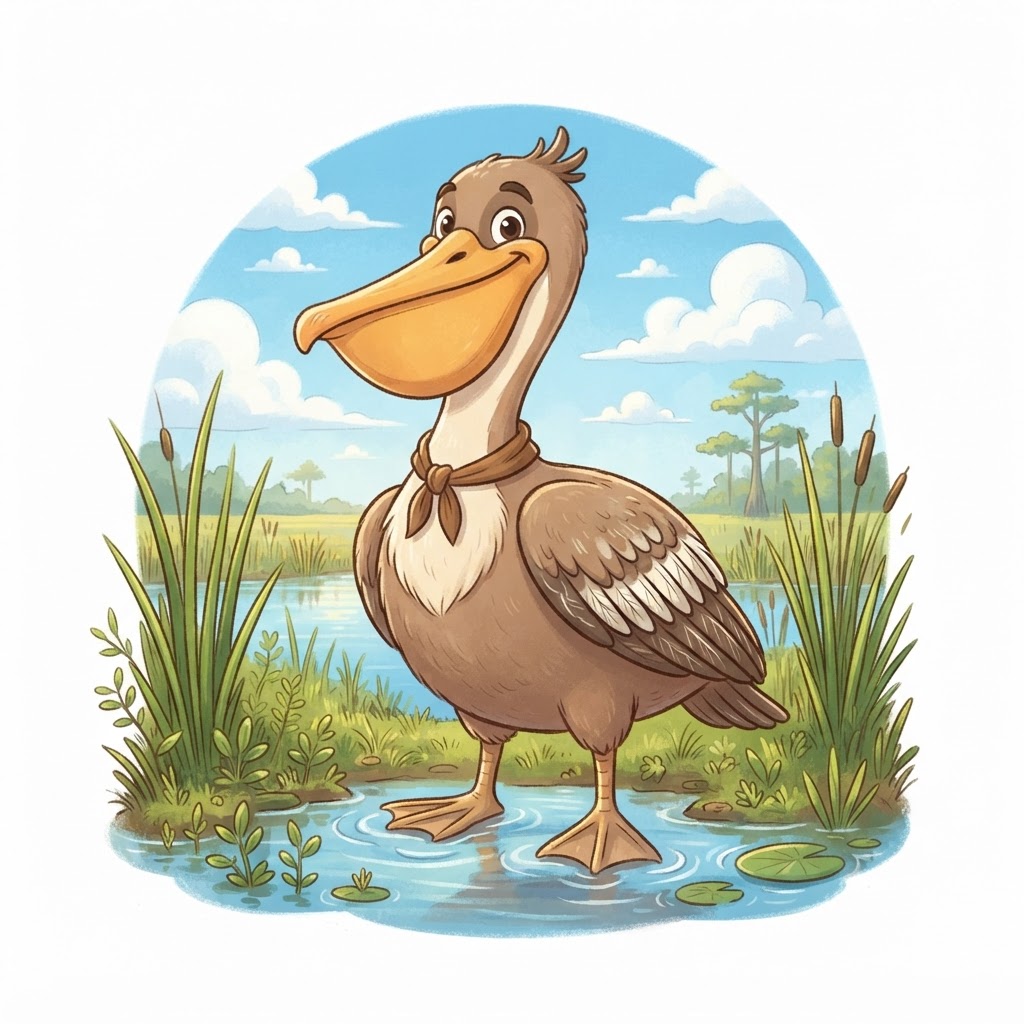
"The Everglades is not a swamp — it's a river. A slow, shallow river of fresh water, 60 miles wide, flowing from Lake Okeechobee to Florida Bay. It's the only ecosystem like it on Earth. The Seminoles called it Pa-hay-okee, the 'grassy water.' For 5,000 years it supported millions of birds, fish, and mammals. Then, in the 1900s, we tried to drain it."
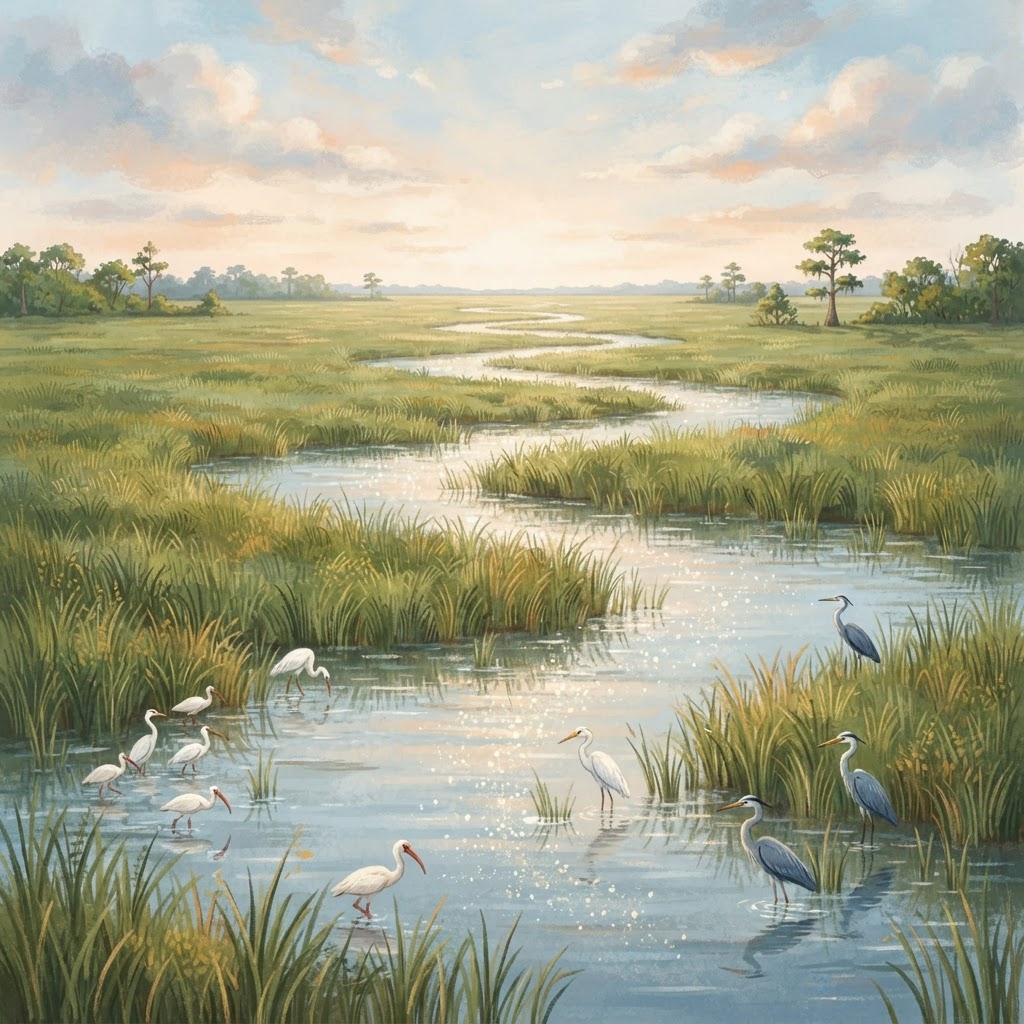
The Everglades — A River of Grass
The Everglades is a unique ecosystem — a slow-moving, shallow river of fresh water, about 60 miles wide, flowing from Lake Okeechobee south to Florida Bay. The water moves at about half a mile per day, only a few inches deep, over a gently sloping limestone plain covered in sawgrass. The Seminole and Miccosukee peoples called it 'Pa-hay-okee,' meaning 'grassy water.' For roughly 5,000 years, the Everglades supported one of the richest ecosystems on Earth — millions of wading birds, alligators, Florida panthers, snail kites, apple snails, and dozens of fish species. The flow of fresh water into Florida Bay also supported vast seagrass beds and the fisheries of the Florida Keys. The Everglades is the source of drinking water for over 8 million South Floridians through the Biscayne Aquifer. Despite its appearance as 'empty' wetland, the Everglades is one of the most important and most fragile ecosystems in the United States. Understanding what happened to it — and what's being done to restore it — is one of the most important conservation stories in Florida.